
Body donation is a powerful way to leave a legacy — advancing science, medicine, and even forensic research. This guide explains the history, donation process, eligibility, costs, and available programs worldwide so you can make an informed decision.
Support Scientific Discovery and Maybe Even Help Solve Crimes From the Afterlife.
Outline
- What Is Body Donation?
- Why People Choose to Donate Their Body
- A Brief History of Body Donation + Addressing the Stigma
- Body Donation Now
- The Donation Process (Step by Step)
- Cost to Donate
- Donation Eligibility Requirements
- Donation Categories Available in the US
- How to Arrange Body Donation
- Key Takeaways
[caption id=“” align=“alignnone” width=“2500”]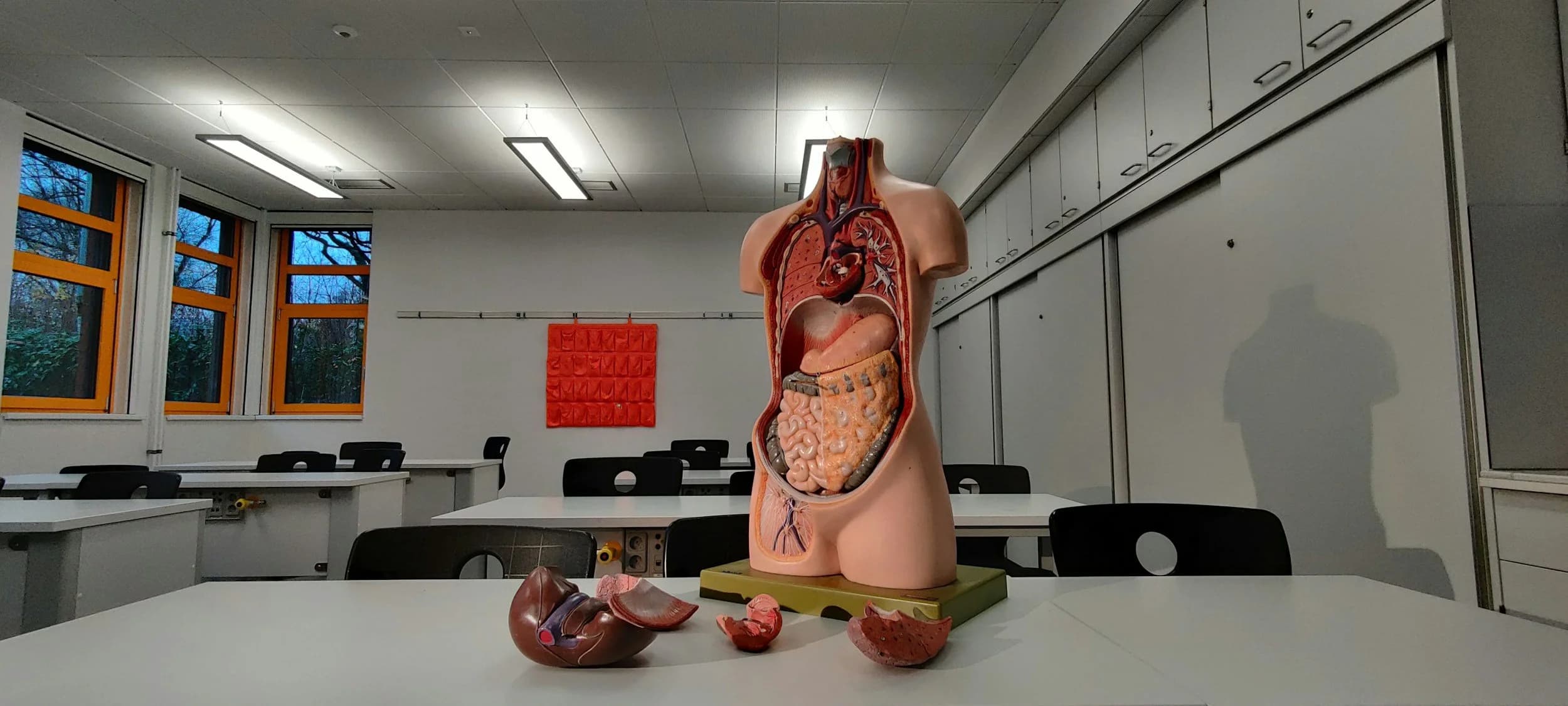 Everything You Ever Wanted to Know About Body Donation - @goodgriefreliefco [/caption]
What Is Body Donation?
Body donation (also called anatomical donation) is when a person chooses to give their body after death for medical education, training, or scientific research. Instead of burial or cremation, the body goes to a medical school, research facility, or donation program. Some view it as one final chance to make an impact on the world they leave behind.
Why People Choose to Donate Their Body
- Help future doctors & researchers: Bodies are used in anatomy labs, surgical training, or new treatment development.
- Reduce costs: Many programs cover transportation, cremation, and return of ashes — making it a low-cost alternative to traditional funerals.
- Leave a legacy: Some see it as a final act of service to science and humanity.
A Brief History of Body Donation + Addressing the Stigma
Let’s take a step back and talk about the history of donation and how some less than savory past practices led to some common misconceptions about “donating your body to science.”
For centuries, the idea of donating a body after death carried heavy baggage. In the 18th and 19th centuries, medical schools desperately needed cadavers (sorry their word not mine, you are a meat sack to me) to train doctors, but few people volunteered. This led to the rise of “resurrectionists” or body snatchers 🫣, who stole corpses from graves to sell to medical schools. It fueled public outrage and a deep cultural suspicion around what happens to bodies after death.
By the mid-1800s, laws like the Anatomy Acts (in the UK and later the U.S.) tried to regulate supply, but often allowed the use of bodies from “poorhouses”, prisons, or unclaimed remains. That association with exploitation, poverty, and lack of consent left a lasting scar on how people viewed body donation.
Body Donation Now
In recent decades, body donation has been reframed as a final act of generosity — helping future doctors, advancing research, and even giving back to the community. Programs now emphasize consent, dignity, and memorialization. Many schools hold annual ceremonies honoring donors, with students writing letters of gratitude to families.
By talking openly about body donation, and acknowledging the historical baggage, we can start replacing fear with understanding. Instead of secrecy, it becomes what it should be: an intentional, empowering choice about your legacy.
The Donation Process (Step by Step)
- Pre-Registration (Best Practice)
- Most programs ask you to register while alive, filling out consent forms and health history.
- Family cannot always donate on your behalf if you didn’t register.
- At Time of Death
- The program is notified immediately (often within hours).
- They confirm eligibility (certain infectious diseases, extreme obesity, or trauma may exclude donation).
- Transportation
- The donation program arranges pickup and transport to their facility (often at no cost).
- Use in Education/Research
- See more on various uses in the section below.
- Final Disposition
- After studies are complete (typically 6–24 months), the program arranges cremation.
- Ashes are either returned to the family or scattered in a memorial garden, depending on the program.
Cost to Donate
-
Generally free or very low cost - see guide below for breakdown on costs for various programs.
-
Programs typically cover transportation, storage, and cremation. Families may still pay for:
-
Death certificates
-
Obituary or memorial service
-
Transport if outside service area
Donation Eligibility Requirements
-
Vary by program. Common reasons for exclusion:
-
Certain infectious diseases (HIV, hepatitis, TB)
-
Severe trauma, decomposition, or recent major surgery
-
High body weight or unusual conditions that complicate embalming/preservation
-
Always check with specific programs for rules.
Donation Categories Available in the US
Look for Ethical Accreditation! Many programs are accredited by the AATB, ensuring ethical and quality handling of donors. You actually have a variety of options and programs tend to fall into categories. Some of your choices include:
Whole Body Donation for Teaching and Research
Donated bodies may be used to study diseases, develop new medical devices, or test treatments. Or, in anatomy labs to teach med students, or in surgical training labs for doctors learning new procedures.
- Where it goes: Medical schools, teaching hospitals, or research institutes.
- Purpose: Used for anatomy education, surgical training, or medical research.
- Process: The body is embalmed or preserved and studied for months to years. Afterward, it’s usually cremated and ashes may be returned to the family.
- Key point: It’s about teaching and research for medicine.
Organ & Tissue Donation (vs. Whole Body)
Organ donation is not the same as whole-body donation, but related. People can choose to donate specific organs or tissues (eyes, skin, bone, ligaments) for transplant or research. In some cases, you can donate organs first and then still donate the rest of the body to another program. Not all programs allow this, since organ recovery can limit research use.
- Where it goes: Organ procurement organizations first, then possibly a whole-body donation program.
- Purpose: Organs/tissues are transplanted into living patients first, and then the remaining body may be used for medical education or research.
- Process: Not always possible. Many whole-body programs cannot accept bodies that have had major organ removal (since it limits teaching and research use). A few programs accept them, but families need to confirm in advance.
- Key point: This option combines life-saving transplants with later scientific/teaching contributions, but acceptance depends heavily on the donation program.
Forensic Research (“Body Farms”)
For the true crime junkies out there, this might be your path. Body farms turn your obsession into real-world crime-fighting.Your death could help law enforcement solve cases and push forensic science forward. (And hey, you can even leave a note in your will specifying that it’s always the husband 😛).
- Where it goes: Forensic anthropology research facilities (e.g., University of Tennessee’s “Body Farm”). Some universities have forensic anthropology facilities (aka body farms) where scientists study how human remains decompose in different environments.
- Purpose: To study decomposition in real-world conditions. This process helps train law enforcement, improve time-of-death estimates, and solve crimes.
- Process: Donated bodies are placed in outdoor research environments (sun, shade, buried, submerged, etc.) and studied as they decompose.
- Key point: It’s about forensic science and criminal justice, not medical training.
Education Outside Medicine
- In some rare cases, bodies are used in non-medical training (like crash test research or military safety testing). Most families prefer to go through accredited medical schools or programs to ensure dignity and oversight even though these programs are also designed to help save future lives.
How to Arrange Body Donation
-
Pre-register: Contact a local medical school or donation program (e.g., Science Care, MedCure, university programs).
-
Carry documentation: Let your executor and family know your wishes, and keep program contact info with your important documents.
-
Interesting Fact: Anatomical Gifts Are Irrevocable – Once made (and not revoked before death), a donation is legally binding, even without family consent in many states.
-
Executor responsibility: At death, your executor must notify the program quickly (bodies are only viable for a limited window).
Key Takeaways
- Body donation is a meaningful, low-cost option that advances science and medicine.
- Pre-registration is essential. Families may not be able to donate after the fact.
- Funeral services can still be held — with or without ashes returned later.
- If body donation is declined (due to medical conditions), families should have a backup plan (cremation or burial).